A new meta-analysis of 26 randomized controlled trials involving more than 160,000 participants shows that GLP‑1 receptor agonists—diabetes and weight-loss drugs such as semaglutide (Ozempic/Wegovy), liraglutide, and exenatide—may significantly reduce the risk of all types of dementia.
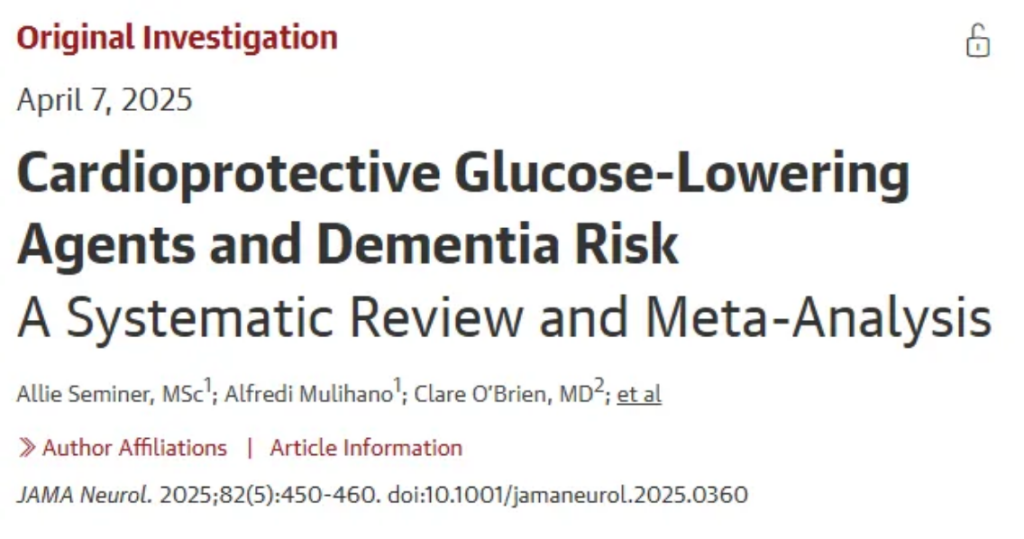
Previous studies suggested a mild protective effect, but most were observational. This new analysis provides stronger clinical evidence.
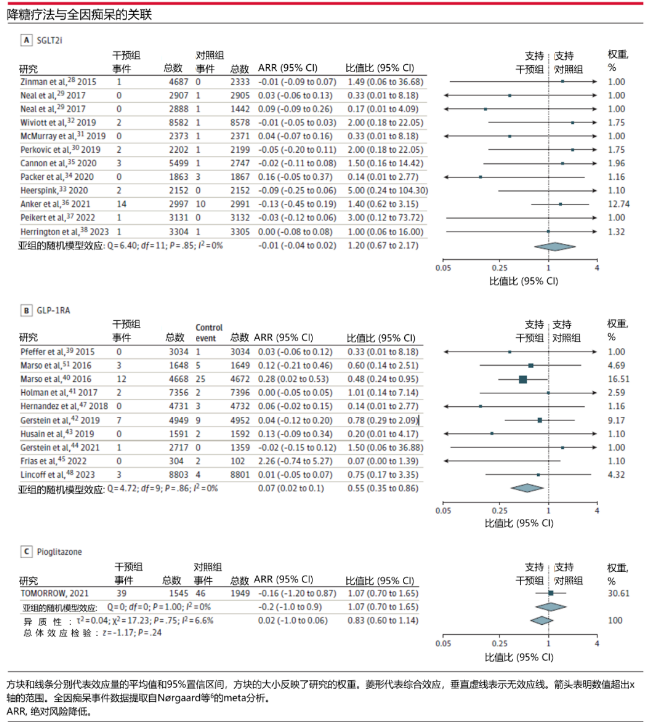
The study, led by researchers at the University of Galway, Ireland, focused on patients with type 2 diabetes but no dementia at baseline. After at least six months of follow-up, patients taking GLP‑1 drugs had a much lower rate of dementia or cognitive decline than those on placebo.
Some experts thought the benefit might come only from better blood sugar control.
However, the same study found no significant link between SGLT2 inhibitors (another diabetes drug class) and dementia risk.
This suggests GLP‑1s protect the brain beyond just lowering glucose.
How GLP‑1 drugs may protect cognition
- They reduce chronic inflammation, which is strongly linked to brain cell damage and dementia.
- They improve cardiovascular health, lowering the risk of vascular dementia.
Key limitations & conclusions
- Follow-up was at least six months, which is still too short for long-term cognitive outcomes.
- Larger, dedicated trials are still needed.
- Doctors cannot yet prescribe GLP‑1s purely for dementia prevention.
- But for patients with type 2 diabetes and high dementia risk (e.g., family history), GLP‑1s are becoming a more favorable choice.

Experts say the consistent evidence from both observational and controlled trials is highly encouraging for future brain health research.
发表回复