Tirzepatide has emerged as a highly promising therapy for type 2 diabetes and chronic weight management in recent years. Acting as a dual GIP/GLP‑1 receptor agonist, it mimics natural incretin hormones to improve blood glucose regulation, enhance insulin secretion, suppress appetite, and delay gastric emptying. Thanks to its dual mechanism, tirzepatide delivers significant benefits for both glycemic control and weight reduction. However, it is not appropriate for all patients.

Mechanism of Action and Clinical Benefits
Tirzepatide exerts its therapeutic effects through multiple complementary pathways: it stimulates insulin secretion when blood glucose is elevated, inhibits excessive glucagon release, slows gastric emptying to increase satiety, and acts on the central nervous system to reduce hunger. Together, these effects make it especially valuable for patients who struggle with both type 2 diabetes and excess body weight, a highly prevalent clinical profile worldwide.
Indications
1. Type 2 Diabetes Mellitus
Tirzepatide is indicated for adult patients with type 2 diabetes who fail to achieve adequate glycemic control with diet, exercise, metformin, and/or sulfonylureas. It is particularly suitable for those who are overweight or obese, as it improves blood glucose while promoting meaningful weight loss.
2. Obesity and Overweight
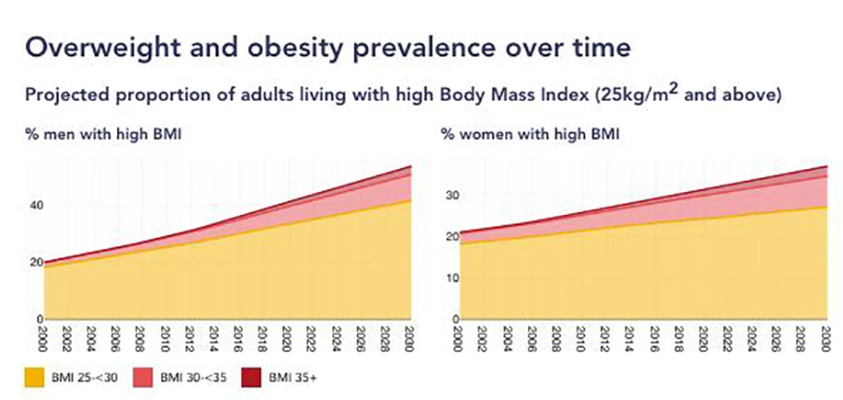
For long-term weight management, tirzepatide is recommended for adults with a BMI ≥28 kg/m² (obesity), or a BMI ≥24 kg/m² (overweight) accompanied by at least one weight‑related comorbidity such as hypertension, dyslipidemia, type 2 diabetes, obstructive sleep apnea, or cardiovascular disease.
Contraindications and Important Precautions
Tirzepatide is not suitable for everyone. It should not be used in patients with type 1 diabetes, diabetic ketoacidosis, or severe gastrointestinal diseases such as inflammatory bowel disease. It is also contraindicated in individuals with a personal or family history of medullary thyroid carcinoma, during pregnancy and breastfeeding, and in those with known hypersensitivity to the drug.
Ideal Candidates for Tirzepatide
The most suitable patients share several key characteristics: strong and realistic goals for weight management, unsatisfactory blood glucose control with previous regimens, and a preference for a convenient once‑weekly injection to improve treatment adherence. In addition, tirzepatide’s low risk of hypoglycemia makes it favorable for elderly patients and individuals in high‑precision occupations who are sensitive to low blood glucose events.
Adverse Reactions and Management
The most common adverse reactions are mild to moderate gastrointestinal symptoms, including nausea, vomiting, and diarrhea, which typically improve over time. These can be minimized by gradual dose titration and avoiding high‑fat meals. When used with other antidiabetic medications, blood glucose monitoring is necessary to reduce the risk of hypoglycemia.
Combination Therapy
Tirzepatide can be used rationally with other glucose‑lowering agents for enhanced outcomes. When combined with SGLT‑2 inhibitors, it produces synergistic improvements in glycemic control and weight reduction. When combined with insulin, it helps reduce insulin dosage and counteract insulin‑related weight gain, thereby improving safety and treatment satisfaction.
发表回复