分类: NEWS

LNpeptides new

  • July 29, 2025
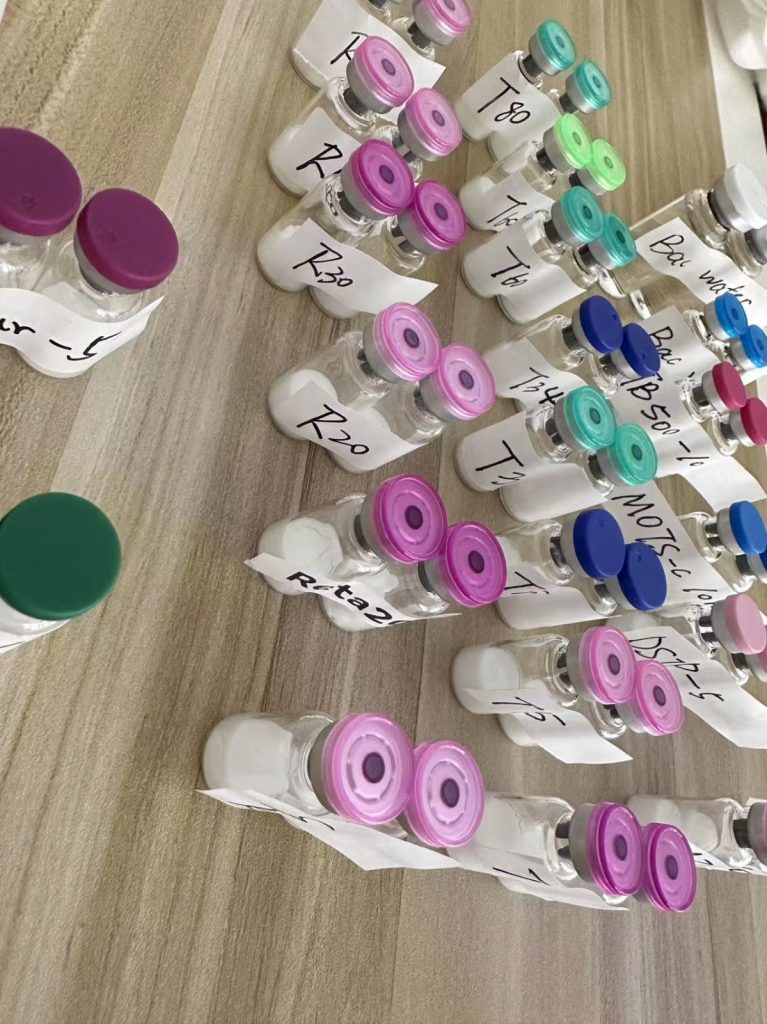
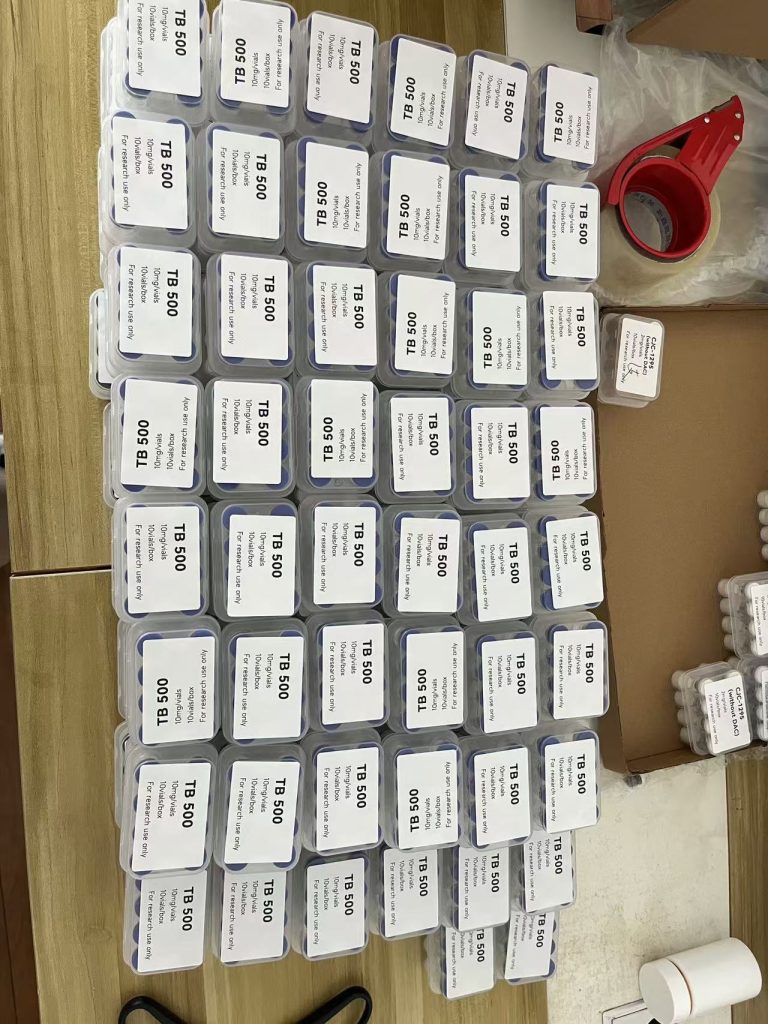
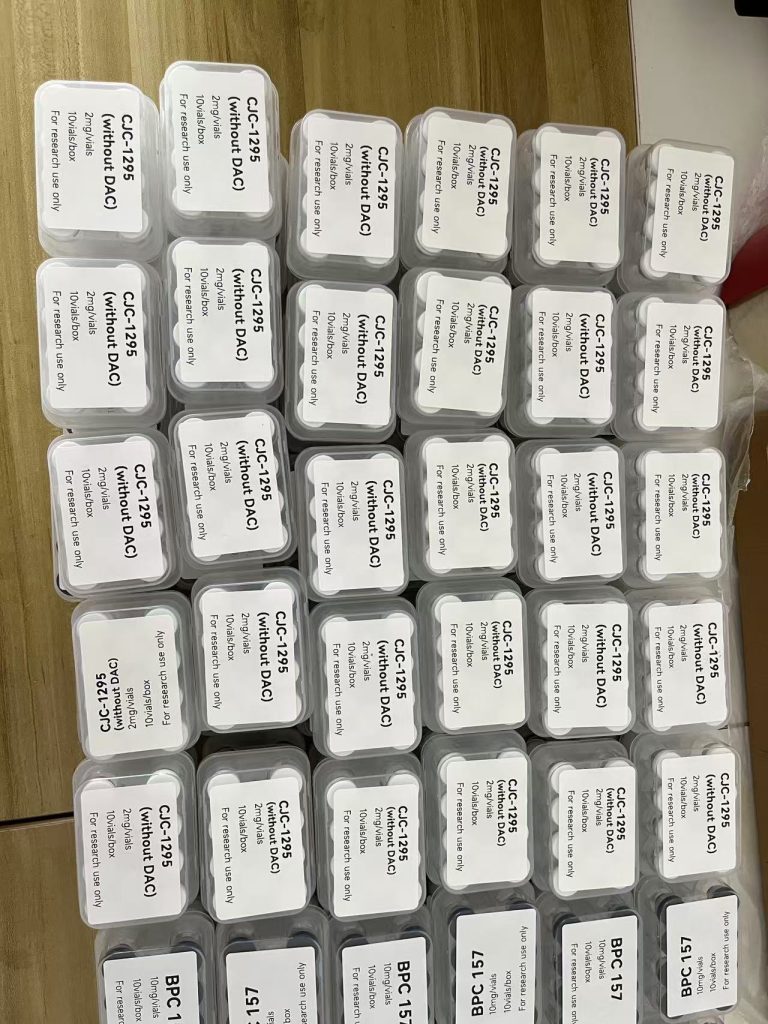
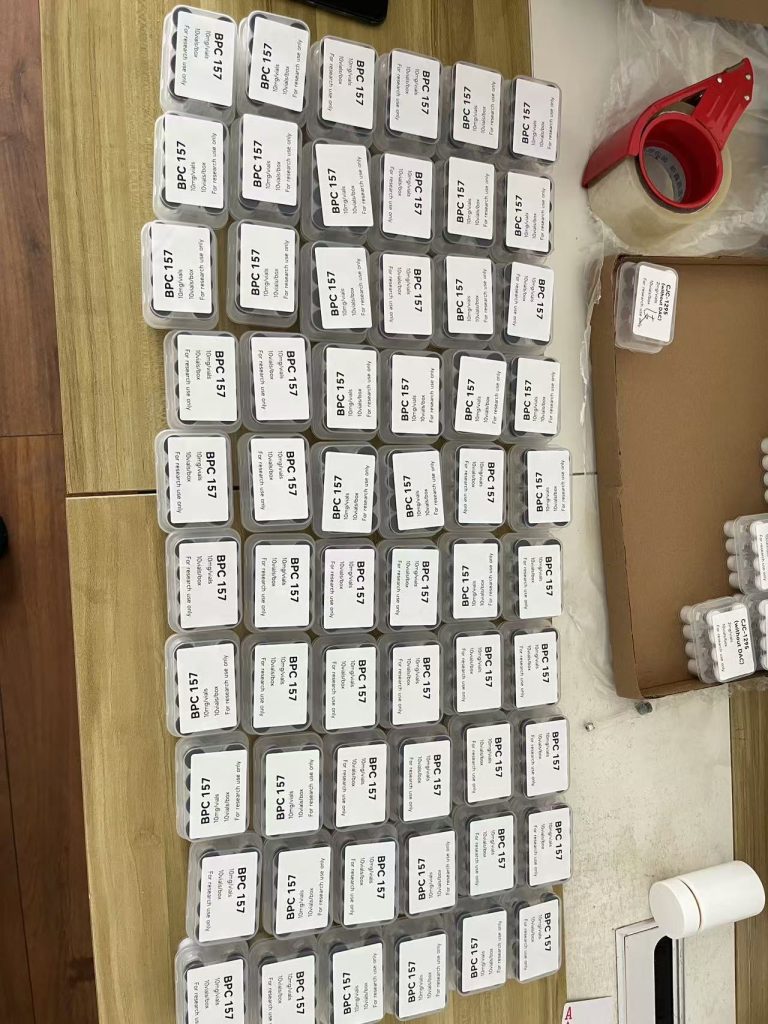
    Today, cjc1295-withoutdac, bpc-157, tb-500, retatrutide10 arrived

    Semaglutide Nasal Spray: A Third Promising Administration Route Enters Clinical Trialsv

    Semaglutide administration is moving beyond injections and oral tablets to explore a third viable option.

    On March 13, 2026, Shanghai Shiling Pharmaceutical registered a Phase I clinical trial of semaglutide nasal spray on ClinicalTrials.gov. The trial plans to recruit 60 overweight or obese adults in the US, aiming to assess the product’s safety, tolerability and pharmacokinetic properties versus placebo and an active control. This marks the product’s first-in-human trial, making it one of the world’s first GLP-1 nasal sprays to enter clinical development.

    The candidate has advanced rapidly: it gained clinical approval in China in January 2026 for long-term adult weight management, alongside the registered US Phase I study. Shiling Pharmaceutical targets nasal mucosal delivery to eliminate injection inconvenience and overcome the low bioavailability of oral peptide drugs.

    The biggest appeal of this product is non-invasive administration. For long-term weight management patients, a nasal spray with stable absorption and safety would be far more acceptable than injections and more differentiated than oral options. Preclinical data shows its bioavailability reaches 37.1% to 52.1%, nearly matching injectable formulations, thanks to nanoscale atomization and high-efficiency absorption enhancers that boost nasal mucosal absorption.

    Beyond convenience, nasal delivery holds potential for expanded indications, as it allows some drugs to reach the central nervous system more directly, opening possibilities for treating binge eating disorder, Alzheimer’s disease and other CNS-related disorders.

    The GLP-1 nasal spray sector is already competitive, with another Chinese firm Aukada Pharmaceutical also developing similar products. For developers, success will depend on proving safety, stability and long-term value in human trials, not just novel concepts.

    For the industry, this trial signifies accelerated dosage form innovation for semaglutide. After injections and oral formulations, nasal sprays are emerging as the next breakthrough. If proven effective, this delivery route will deliver a brand-new patient experience.
  • July 29, 2025
    Today, cjc1295-withoutdac, bpc-157, tb-500, retatrutide10 arrived

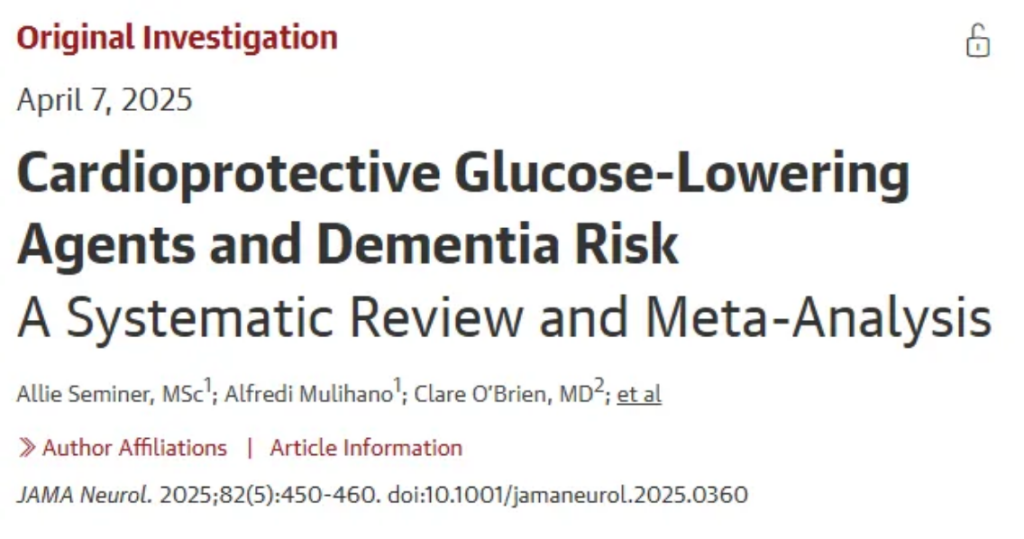
    Study of 160,000 people: Semaglutide lowers dementia risk by 45%

    A new meta-analysis of 26 randomized controlled trials involving more than 160,000 participants shows that GLP‑1 receptor agonists—diabetes and weight-loss drugs such as semaglutide (Ozempic/Wegovy), liraglutide, and exenatide—may significantly reduce the risk of all types of dementia.

    Previous studies suggested a mild protective effect, but most were observational. This new analysis provides stronger clinical evidence.

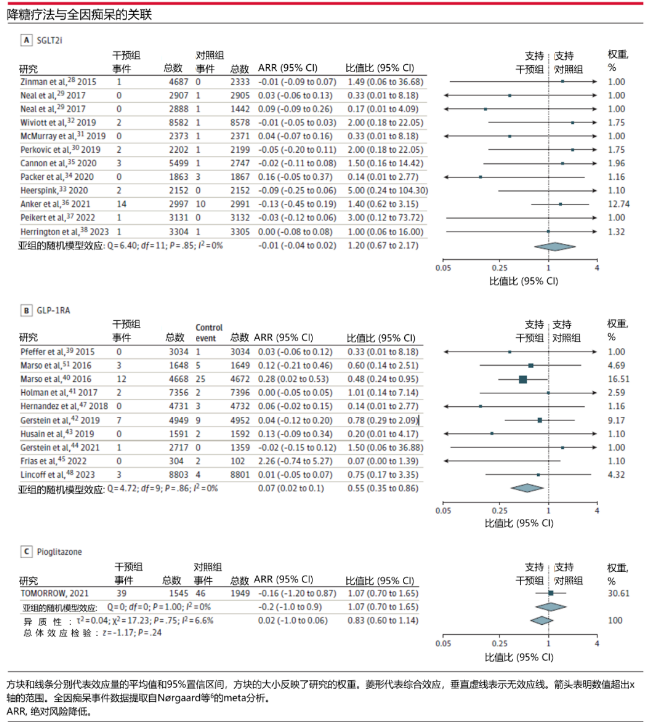
    The study, led by researchers at the University of Galway, Ireland, focused on patients with type 2 diabetes but no dementia at baseline. After at least six months of follow-up, patients taking GLP‑1 drugs had a much lower rate of dementia or cognitive decline than those on placebo.

    Some experts thought the benefit might come only from better blood sugar control.

    However, the same study found no significant link between SGLT2 inhibitors (another diabetes drug class) and dementia risk.

    This suggests GLP‑1s protect the brain beyond just lowering glucose.

    How GLP‑1 drugs may protect cognition

    • They reduce chronic inflammation, which is strongly linked to brain cell damage and dementia.
    • They improve cardiovascular health, lowering the risk of vascular dementia.

    Key limitations & conclusions

    • Follow-up was at least six months, which is still too short for long-term cognitive outcomes.
    • Larger, dedicated trials are still needed.
    • Doctors cannot yet prescribe GLP‑1s purely for dementia prevention.
    • But for patients with type 2 diabetes and high dementia risk (e.g., family history), GLP‑1s are becoming a more favorable choice.

    Experts say the consistent evidence from both observational and controlled trials is highly encouraging for future brain health research.

  • July 29, 2025
    Today, cjc1295-withoutdac, bpc-157, tb-500, retatrutide10 arrived

    Gender Differences in GLP-1 Weight-Loss Response: Women See Greater Benefits

    To anyone who has tried losing weight, this scenario is familiar: a man cuts carbs and drops 10 pounds, while a woman on the same plan loses just 2. For years, research has shown men typically respond faster to diet and exercise than women—making recent clinical trial results surprising: injectable GLP-1 weight-loss drugs appear more effective for women on average.​

    A landmark study, presented at the European Congress on Obesity and published in The New England Journal of Medicine, compared two GLP-1 drugs: semaglutide (Wegovy) and tirzepatide (Zepbound). Around 750 obese patients received maximum tolerated doses, with Zepbound outperforming Wegovy by 50% in weight loss. Notably, trial participants lost slightly less weight than in prior studies—attributed largely to male subjects, who shed 6% less than women. The trial’s 35% male composition (higher than the 20–25% in earlier research) may have contributed.​

    Dr. Louis Aronne, lead author and weight control expert, confirmed this recurring pattern: “Women’s better response is real and encouraging, though the exact cause remains unclear.” Previous long-term trials supported this: women lost 11% of body weight on semaglutide (vs. 8% for men) and up to 28% on tirzepatide (vs. 19% for men).​

    Experts cite multifaceted reasons. Dosage plays a role: women, typically lighter than men, receive the same doses, leading to relatively stronger effects. Fat distribution matters too—women have more subcutaneous fat (under skin), while men have more visceral fat (around organs), and the drugs may target certain fat types better. Behavioral factors include greater weight-loss pressure on women, boosting adherence, and higher tolerance for side effects like nausea compared to men, who often discontinue treatment earlier.​

    Estrogen research offers compelling insights. Dr. Karolina Skibicka’s animal studies show estrogen amplifies GLP-1’s appetite-suppressing effects by increasing cellular receptors. Blocking estrogen reduces drug effectiveness, though these findings are still early.​

    Gender-specific effects extend beyond weight loss: women report more gastrointestinal side effects but greater fat reduction, while men may gain more cardiovascular benefits. Some evidence links GLP-1 use to mood changes in women, including depression.​

    Understanding these differences is critical for personalized care—especially for postmenopausal women or breast cancer survivors with reduced estrogen. As Dr. Melanie Jay notes: “Men and women differ physiologically—we can’t rely on one-size-fits-all treatments. Men may need adjusted dosing or supplements to match women’s results.”​

  • July 29, 2025
    Today, cjc1295-withoutdac, bpc-157, tb-500, retatrutide10 arrived

    Who Is Suitable for Tirzepatide? A Clinical Overview

    Tirzepatide has emerged as a highly promising therapy for type 2 diabetes and chronic weight management in recent years. Acting as a dual GIP/GLP‑1 receptor agonist, it mimics natural incretin hormones to improve blood glucose regulation, enhance insulin secretion, suppress appetite, and delay gastric emptying. Thanks to its dual mechanism, tirzepatide delivers significant benefits for both glycemic control and weight reduction. However, it is not appropriate for all patients.

    Mechanism of Action and Clinical Benefits

    Tirzepatide exerts its therapeutic effects through multiple complementary pathways: it stimulates insulin secretion when blood glucose is elevated, inhibits excessive glucagon release, slows gastric emptying to increase satiety, and acts on the central nervous system to reduce hunger. Together, these effects make it especially valuable for patients who struggle with both type 2 diabetes and excess body weight, a highly prevalent clinical profile worldwide.

    Indications

    1. Type 2 Diabetes Mellitus

    Tirzepatide is indicated for adult patients with type 2 diabetes who fail to achieve adequate glycemic control with diet, exercise, metformin, and/or sulfonylureas. It is particularly suitable for those who are overweight or obese, as it improves blood glucose while promoting meaningful weight loss.

    2. Obesity and Overweight

    For long-term weight management, tirzepatide is recommended for adults with a BMI ≥28 kg/m² (obesity), or a BMI ≥24 kg/m² (overweight) accompanied by at least one weight‑related comorbidity such as hypertension, dyslipidemia, type 2 diabetes, obstructive sleep apnea, or cardiovascular disease.

    Contraindications and Important Precautions

    Tirzepatide is not suitable for everyone. It should not be used in patients with type 1 diabetes, diabetic ketoacidosis, or severe gastrointestinal diseases such as inflammatory bowel disease. It is also contraindicated in individuals with a personal or family history of medullary thyroid carcinoma, during pregnancy and breastfeeding, and in those with known hypersensitivity to the drug.

    Ideal Candidates for Tirzepatide

    The most suitable patients share several key characteristics: strong and realistic goals for weight management, unsatisfactory blood glucose control with previous regimens, and a preference for a convenient once‑weekly injection to improve treatment adherence. In addition, tirzepatide’s low risk of hypoglycemia makes it favorable for elderly patients and individuals in high‑precision occupations who are sensitive to low blood glucose events.

    Adverse Reactions and Management

    The most common adverse reactions are mild to moderate gastrointestinal symptoms, including nausea, vomiting, and diarrhea, which typically improve over time. These can be minimized by gradual dose titration and avoiding high‑fat meals. When used with other antidiabetic medications, blood glucose monitoring is necessary to reduce the risk of hypoglycemia.

    Combination Therapy

    Tirzepatide can be used rationally with other glucose‑lowering agents for enhanced outcomes. When combined with SGLT‑2 inhibitors, it produces synergistic improvements in glycemic control and weight reduction. When combined with insulin, it helps reduce insulin dosage and counteract insulin‑related weight gain, thereby improving safety and treatment satisfaction.

  • July 29, 2025
    Today, cjc1295-withoutdac, bpc-157, tb-500, retatrutide10 arrived

    Novo Nordisk Submits Semaglutide for MASH Indicator in China

    On March 3, 2026, Novo Nordisk announced that it had submitted a new marketing application for semaglutide injection in China, which is proposed for priority review.

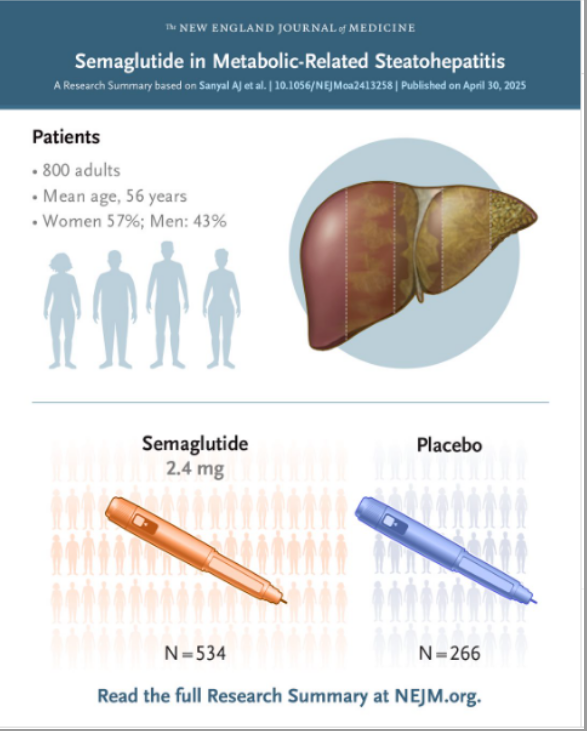
    The new indication is intended for the treatment of patients with metabolic dysfunction-associated steatohepatitis (MASH) accompanied by moderate to severe hepatic fibrosis, specifically adult non-cirrhotic patients with F2–F3 stage.

    Global Impact of Semaglutide

    Novo Nordisk’s flagship drug semaglutide, FDA-approved in August 2025 for non-cirrhotic MASH with moderate-to-severe hepatic fibrosis (plus diet/physical activity), has filed in China. Based on partial ESSENCE trial data (weekly 2.4mg injection), it showed statistically significant hepatic fibrosis improvement and steatohepatitis resolution vs. placebo.

    Clinical Trial Results

    Phase 1 results of the ESSENCE trial showed the following key outcomes at Week 72:

    • 36.8% of patients in the semaglutide group achieved “improvement in hepatic fibrosis with no worsening of steatohepatitis”, versus 22.4% in the placebo group.
    • 62.9% of patients achieved “resolution of steatohepatitis with no worsening of hepatic fibrosis”, versus 34.3% in the placebo group.

    These data confirm semaglutide’s significant efficacy in treating MASH and associated hepatic fibrosis, establishing its unique position in this field. To date, semaglutide remains the only GLP-1 therapy approved for MASH.

    Sales Performance of Semaglutide

    Semaglutide has delivered strong sales as Novo Nordisk’s blockbuster drug.

    In 2022, total sales of semaglutide reached 228.288 billion Danish kroner (approximately USD 34.6 billion), accounting for 73.9% of the company’s total revenue.

    Its three major versions performed as follows:

    • Ozempic (injectable for glycemic control): 127.089 billion DKK (USD 19.267 billion), up 10% year-on-year.
    • Rybelsus (oral for glycemic control): 22.093 billion DKK (USD 3.349 billion), down 2% year-on-year.
    • Wegovy (for weight management, injectable and oral): 79.106 billion DKK (USD 11.992 billion), up 41% year-on-year.

    Competition and Prospects in the Chinese Market

    Novo Nordisk’s core compound patent for semaglutide in China is set to expire on March 20, 2026, which will intensify competition in the Chinese market.
    According to Insight data, 10 domestic semaglutide products are already filed for marketing, including developers such as Chia Tai Tianqing, CSPC Pharmaceutical Group, Fosun Wanbang, Betta Pharmaceuticals, and Huisheng Biotech. Another 11 domestic semaglutide candidates are in Phase III clinical trials.Following patent expiration, these domestic products are expected to enter the market rapidly and compete fiercely for market share in the coming years.

    Conclusion

    As Novo Nordisk continues to expand semaglutide’s indications and promote its global adoption, the drug will further strengthen its leading position in diabetes, weight management, MASH and other therapeutic areas.

    Meanwhile, the rapid progress of domestic semaglutide products, especially intense competition in China, will accelerate product innovation and reshape the market landscape in this therapeutic field.

  • July 29, 2025
    Today, cjc1295-withoutdac, bpc-157, tb-500, retatrutide10 arrived

    What to Look for in Lyophilized Peptides

    This article is sourced from the internet and is for research purposes only.

    Lyophilized peptides, or freeze-dried peptides, are commonly used to preserve peptides in a stable, long-lasting form. However, the quality of these peptides — both before and after reconstitution — plays a critical role in their effectiveness and safety.

    This article will guide you on what to look for in the lyophilized powder vials and reconstituted vials, provide tips on how to mitigate these risks.These visual indicators SHOULD NOT REPLACE  https://www.lnpeptide.com/results/

    What to Look for in Lyophilized Powder Vials

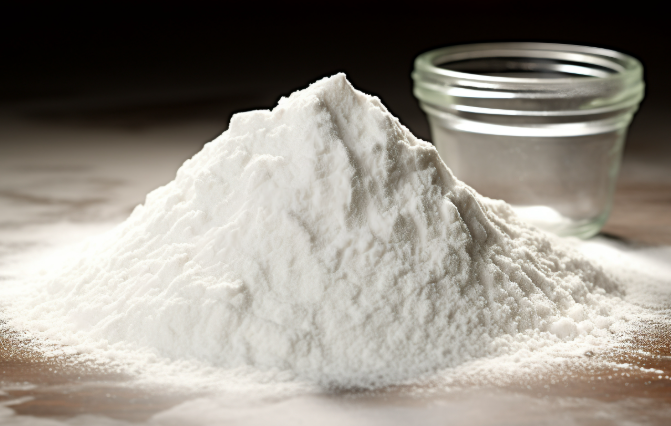
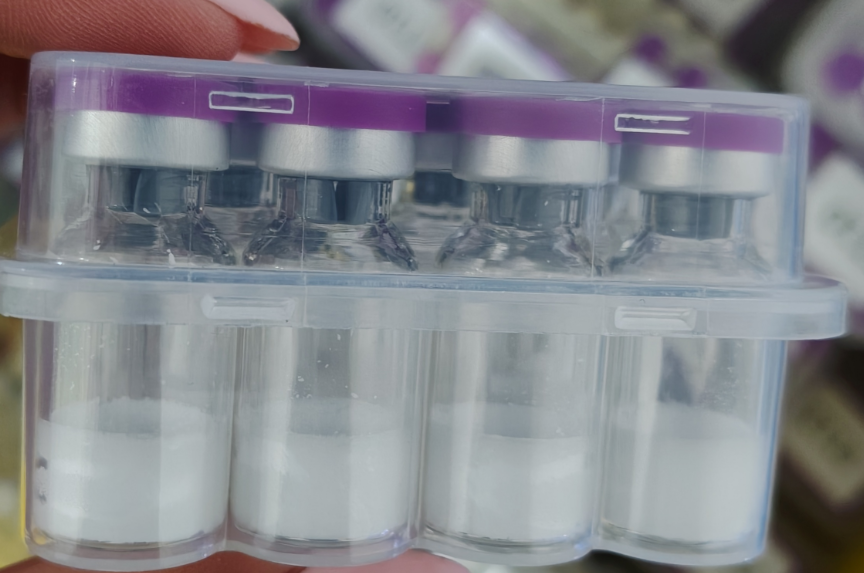
    • Uniform Texture: The lyophilized cake should be uniform in texture and appearance, with no large crystallization or discoloration. A well-prepared lyophilized product will have a smooth, consistent white powdery texture. Broken pucks are not a concern as they can become broken apart during shipping and handling.
    • Very Low Water Content: The texture should appear completely dry with no noticeable crystals. Lyophilized peptides should generally contain <3% water content (although this is not easily tested). While tirzepatide raw API should generally be <10% water content.

    What to Look for in Reconstituted Vials

    • Clear and Colorless Solution: After reconstitution, the solution should be clear and colorless, with no cloudiness or visible particles. This indicates that the peptide has dissolved properly and is free of contaminants.
    • pH Level: The pH of the reconstituted peptide should fall within the specified range for the peptide, typically pH 6-9 for peptides like Tirzepatide and Retatrutide. Measure the pH to confirm it is within this range for comfortable injection and stable solution.

    How to Mitigate Risks

    • Inspect Vials Before Use: Inspect the lyophilized powder vial and reconstituted vial before using. If there are signs of gelling, cloudiness, or particulates, TOSS IT. Subcutaneous injections are actually very low risk for infection even if bacterial growth is present, but if you see cloudiness, it’s not worth injecting it. TOSS IT.
    • Proper Storage: Typically, lyophilized peptides should be stored in a cold, dry place, away from direct sunlight, and should be reconstituted only shortly before use to prevent degradation. Freezing kits of lyophilized peptides at -80*c to -20*c (-112*f to -4*f) helps to lengthen their lifespan for long-term storage.
    • Test Your Product: The only way to be sure your peptide product is the actual peptide with reasonable purity and at the expected potency (mass fill) is to third-party test your peptide. 

  • July 29, 2025
    Today, cjc1295-withoutdac, bpc-157, tb-500, retatrutide10 arrived

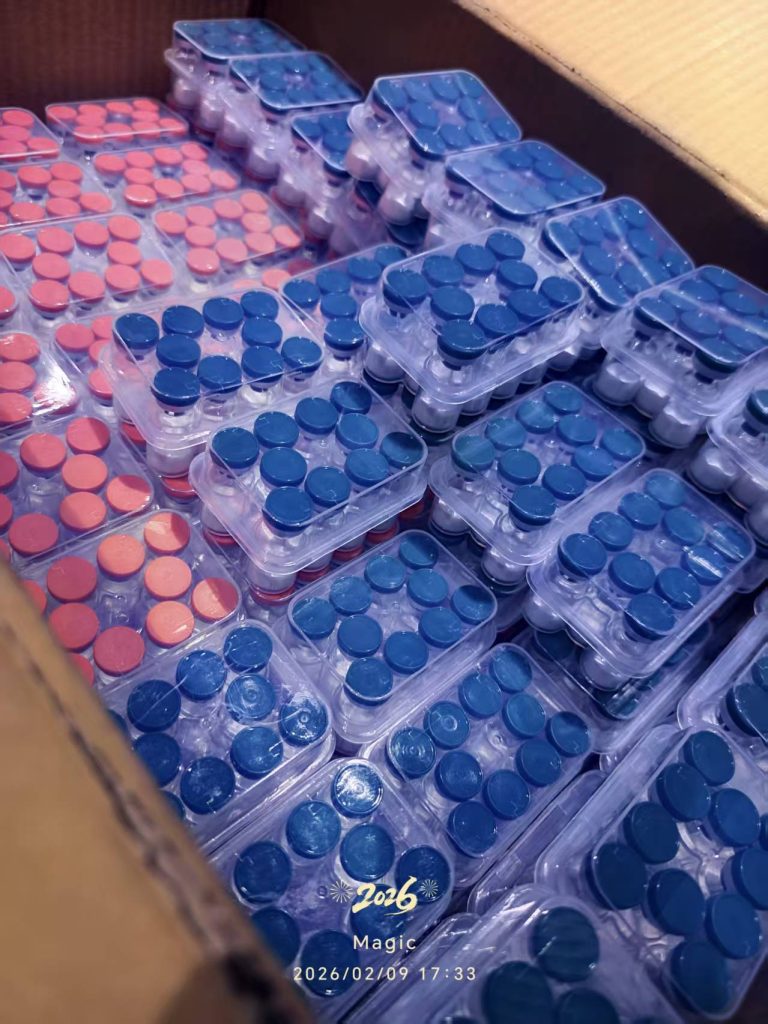
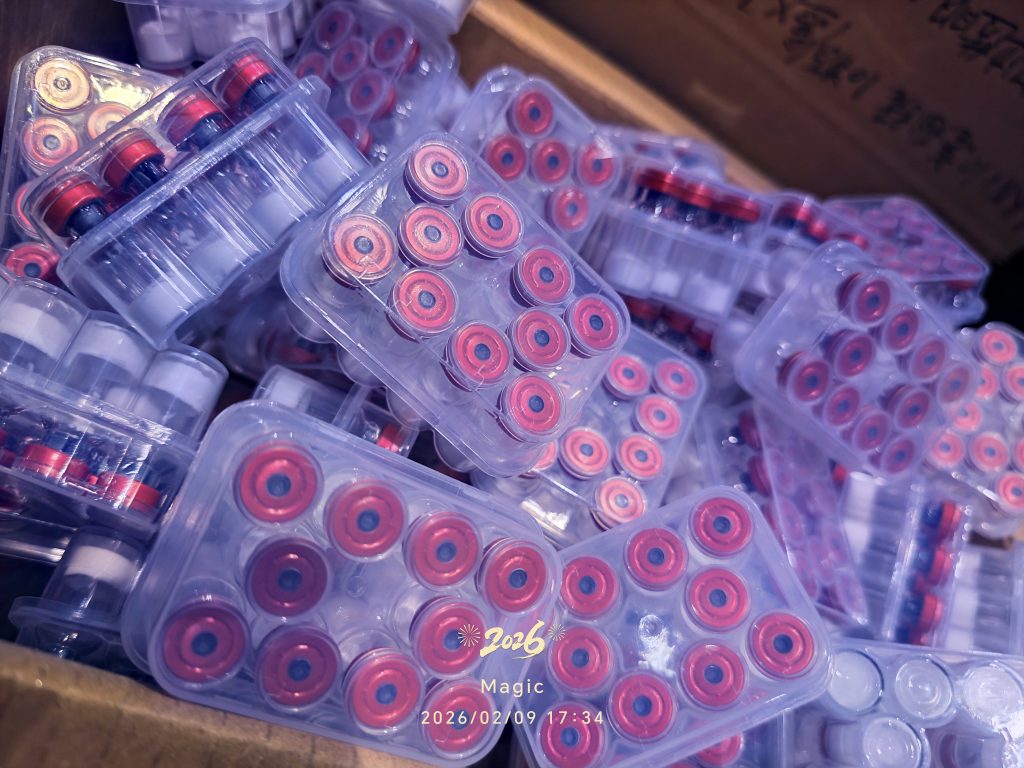
    Spring Festival inventory production update photos

  • July 29, 2025
    Today, cjc1295-withoutdac, bpc-157, tb-500, retatrutide10 arrived

    New batch T30 Black caps

  • July 29, 2025
    Today, cjc1295-withoutdac, bpc-157, tb-500, retatrutide10 arrived

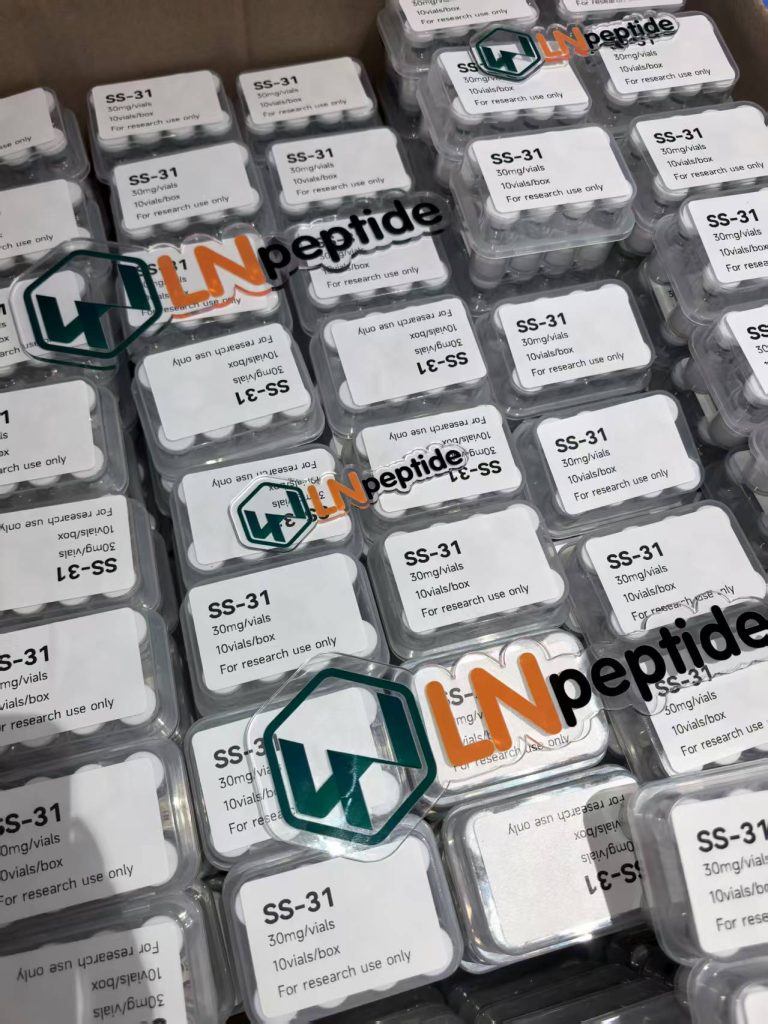
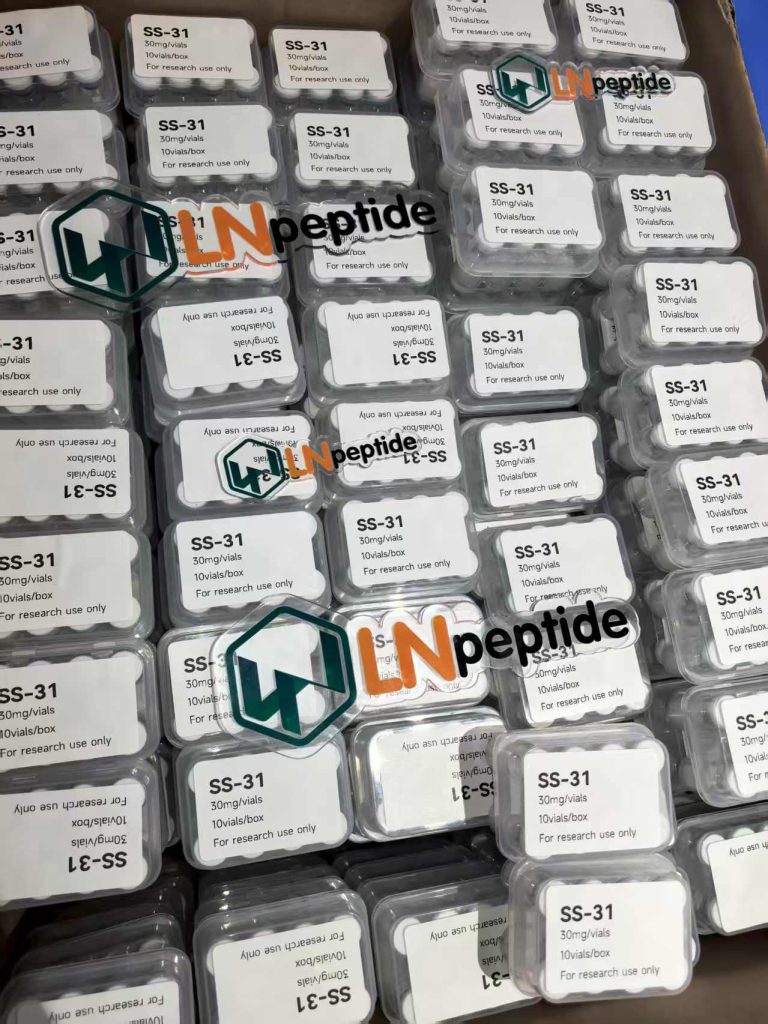
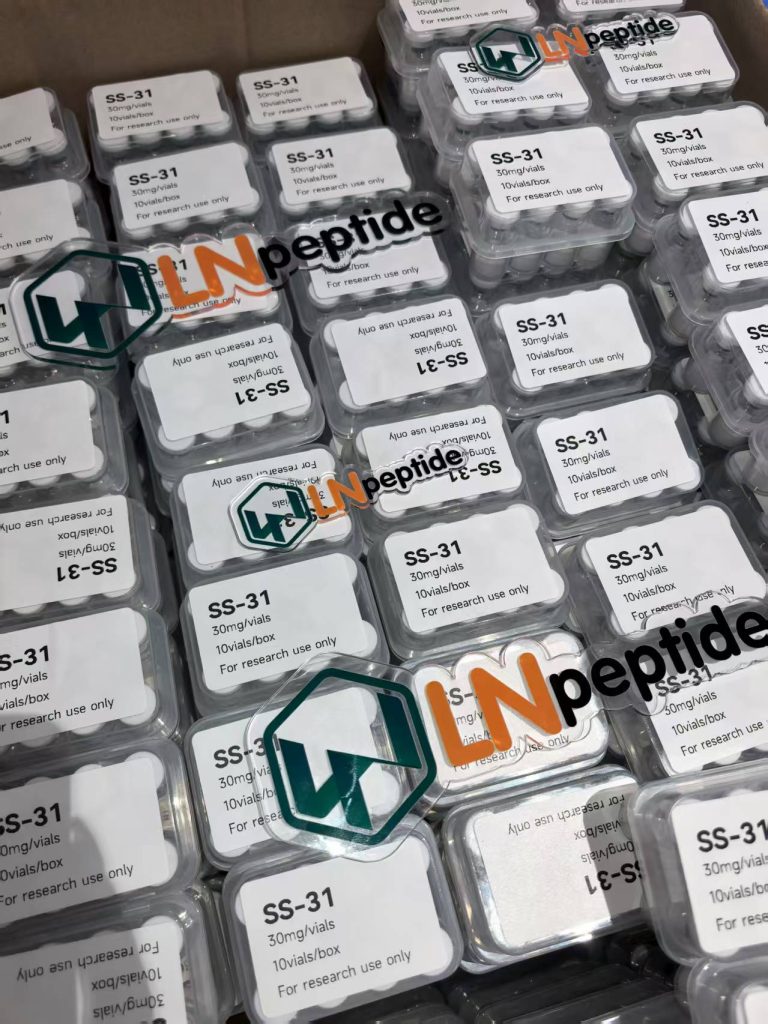
    SS31 10mg 30mg new arrival

  • July 29, 2025
    Today, cjc1295-withoutdac, bpc-157, tb-500, retatrutide10 arrived

    Samples sent to customers

You cannot copy content of this page